As it is Lent, and many people have additional commitments during this time, we don’t have a formal theme or a named presenter. This is a social evening to chat and get to know each other a little more. So, if you have something to share, silly or solemn, Six Nations or United Nations, please do bring it along.
I will have beer and snacks on hand, but feel free bring your own – actually, that is probably the better option . .
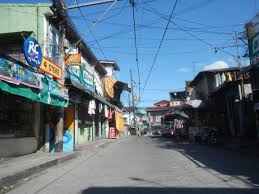
Pastor Jack Alvarez, our member in the Philippines, has agreed to get up in the middle of the night (his time) to talk to us at our convenience (the evening in the UK and afternoon and morning in North America) about his work in one of the most impoverished places in Manila.
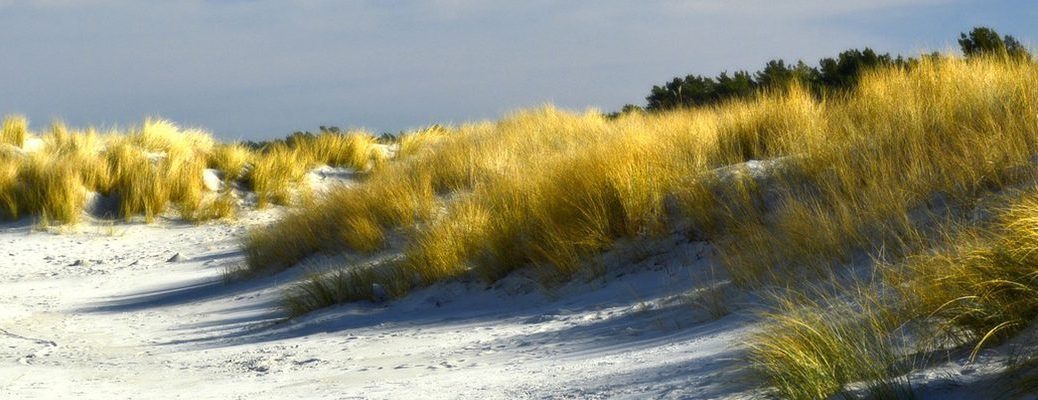
The topic for the evening is Sand Dunes and led by our very own Paul Rooney. Knowing Paul, I am confident we will come away with smiles on our faces and knowing things about sand dunes, and the people who use and abuse them, that we had never previously even thought of.
October 16th 2025 the North American Tele-Compline will be at 9.00pm East Coast (US) Time
In subsequent months the North American Tele-Compline will return to 8.00pm East Coast (US) Time. (login details can be found at the bottom of the digital prayer card)
Daniel Grossoehme will be presenting in the context of his work as a practitioner in research and chaplaincy. His title is ‘ “You do what?”: On children, brokenness, and science. ‘ There are so many good things to be said about this, not least the blend of formal objective observation, Daniel’s personal narrative and perspective, set within a very challenging area of healthcare
What intersections of faith and science challenge, or have challenged, you? Have you ever had a scientific encounter which rattled your faith or theological bones? Come along, share, learn and inspire.
Paul Rooney tells us all we have ever wanted to know but never thought to ask about sand dunes, their evolution and ecology, and their impact (and Paul’s) on the destiny of Donald Trump.
Jack, an associate member of our Society, is the pastor of a church in the Payatas area of Manila, which is not only incredibly impoverished but is also adjacent to the Payatas Dumpsite where almost 1000 tons of garbage is disposed of daily.
Hosted by Stig Graham Wednesday 20th August at 7 pm Joining instructions available from Colin Brockie or Stig Graham.
What are the intersections of faith and science in your life which give, or have given, you joy? Come along, share, learn and inspire.
Not so much presentations as an opportunity to get to know each other a little better. Doors open at 6.45 pm London time, meetings start at 7 pm, and conclude formally at 8.30, though post-meeting conversation may continue. Zoom links will be provided in the week before the meeting.
"You shall love the Lord your God with all your heart, and with all your soul, and with all your mind, and with all your strength."


 Society of Ordained Scientists